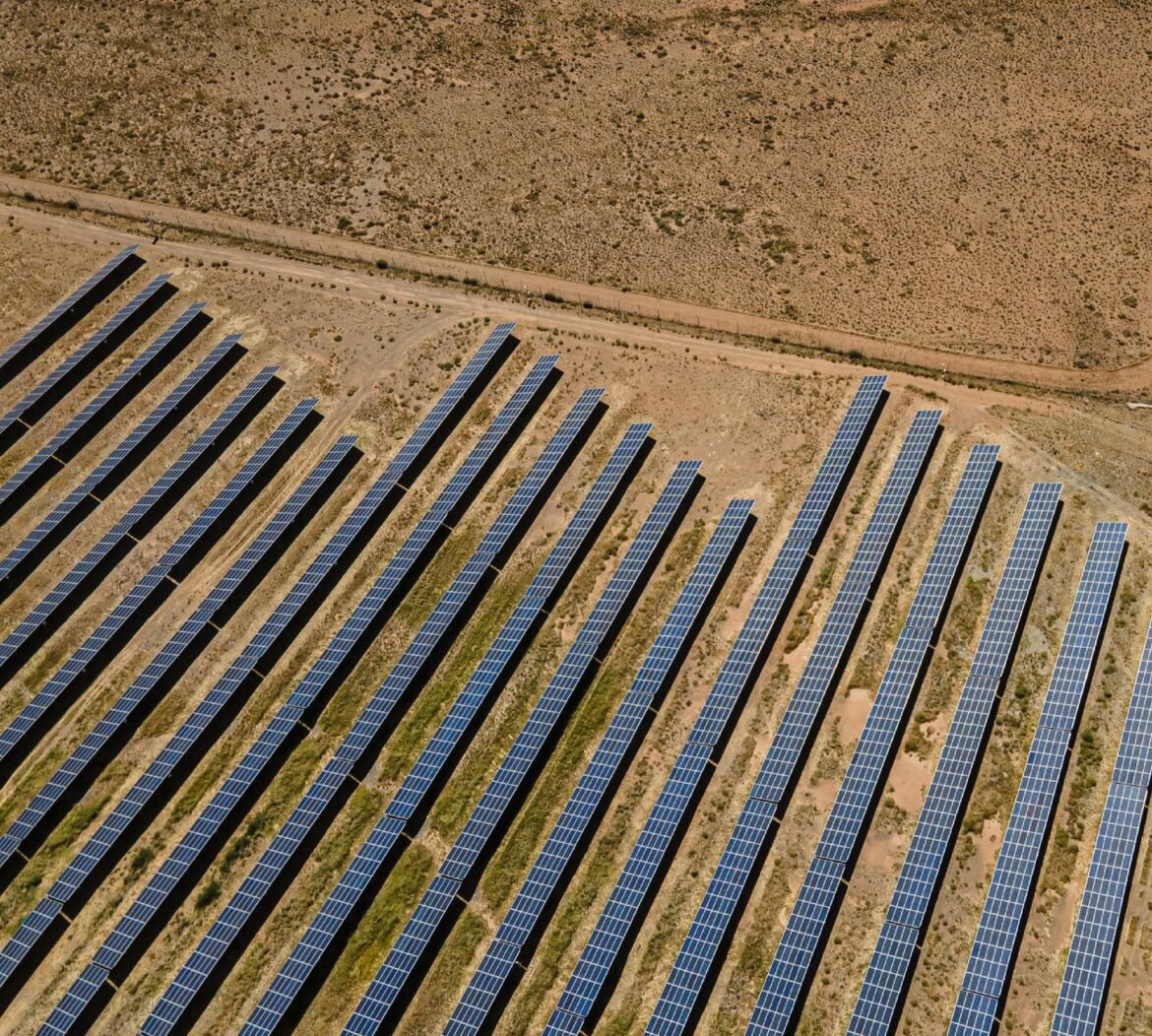
power projects across Africa are becoming a focal point for investment as NTPC partners with Africa50 to develop new initiatives.
Overview of NTPC and Africa50 Partnership
The partnership between NTPC and Africa50 marks a significant step in addressing the energy challenges faced by many nations on the continent. This collaboration aims to develop various power projects across Africa, focusing on sustainable and renewable energy sources.
NTPC, a leading Indian energy conglomerate, brings its extensive experience in power generation and project management to the table. Meanwhile, Africa50, an investment platform dedicated to accelerating infrastructure development in Africa, seeks to mobilize private sector investment. Together, they plan to implement projects that not only enhance energy access but also stimulate economic growth and job creation.
Through this partnership, they aspire to explore opportunities in solar, wind, and hydroelectric power, catering to the growing demand for electricity across the region. The initiative is poised to contribute significantly to the continent’s energy landscape and offer attractive investment opportunities.
Significance of Power Projects in Africa
The significance of power projects across Africa cannot be overstated. As the continent grapples with energy shortages, these initiatives present a viable solution to enhance electricity access and spur economic growth. Investment in power infrastructure is crucial for fostering sustainable development, as it supports various sectors including education, healthcare, and industry.
Furthermore, the growth of renewable energy projects plays a pivotal role in addressing climate change while providing reliable power to underserved communities. By harnessing resources like solar, wind, and hydro, countries can reduce their reliance on fossil fuels and promote environmental sustainability.
Key benefits of these power projects include:
- Job Creation: New projects generate employment opportunities for local communities.
- Economic Growth: Reliable power supply attracts foreign investment.
- Improved Quality of Life: Access to electricity enhances living standards.
In summary, power projects across Africa are not just investments in infrastructure; they are investments in the future of the continent.
Investment Potential in African Energy Sector
The energy sector in Africa presents a unique investment potential, particularly through power projects across Africa. With a growing population and increasing demand for electricity, the continent is at a pivotal moment for energy development. Investors are recognizing the need for sustainable solutions to meet this demand, making power projects an attractive opportunity.
Key factors driving investment interest include:
- Government Initiatives: Many African governments are implementing policies to encourage foreign investment in renewable energy.
- Private Sector Involvement: Collaborations between public and private sectors, like the partnership between NTPC and Africa50, are gaining traction.
- Technological Advancements: Innovations in energy technology are making it easier and more cost-effective to develop power projects.
In summary, the investment potential in the African energy sector, especially in power projects across Africa, is ripe for exploration and growth.
Challenges Facing Energy Development in Africa
Despite the promising outlook for power projects across Africa, several challenges hinder the development of the energy sector. These obstacles include:
- Infrastructure Deficiencies: Many regions lack the necessary infrastructure to support large-scale energy projects, complicating logistics and increasing costs.
- Regulatory Hurdles: Complex regulations and bureaucratic inefficiencies can delay project approvals, discouraging potential investors.
- Access to Financing: Although investment potential is significant, securing financing remains a struggle for many project developers, particularly in emerging markets.
- Political Instability: Inconsistent political climates can deter foreign investment and lead to uncertainties in project execution.
- Local Capacity: A lack of skilled labor and technical expertise can impede the implementation and maintenance of energy projects.
Addressing these challenges is essential to unlock the full potential of power projects across Africa and attract sustainable investments.
Future of Renewable Energy in Africa
The future of renewable energy in Africa looks promising, particularly with the surge in power projects across Africa. As nations increasingly recognize the importance of sustainable energy sources, investments in solar, wind, and hydroelectric projects are gaining momentum. This shift not only addresses energy shortages but also helps combat climate change.
Countries like Kenya, South Africa, and Ethiopia are leading the charge, showcasing successful models that attract foreign investment and technology transfer. The emphasis on public-private partnerships, such as the collaboration between NTPC and Africa50, is crucial to mobilizing resources and expertise for these initiatives.
Moreover, the potential for job creation and economic growth tied to these renewable projects cannot be overstated. By harnessing Africa’s abundant natural resources, power projects across Africa can transform the continent’s energy landscape and foster sustainable development.
Key Players in African Power Projects
Several key players are pivotal in driving power projects across Africa, shaping the continent’s energy landscape. Major companies involved include:
- NTPC Limited: As a leading energy conglomerate in India, NTPC is expanding its footprint in Africa through strategic partnerships.
- Africa50: This investment platform focuses on accelerating infrastructure projects across the continent, particularly in the energy sector.
- International Finance Corporation (IFC): A member of the World Bank Group, the IFC provides funding and expertise to support energy development initiatives.
- Local Governments: African governments play a crucial role by creating conducive regulatory environments and facilitating investment opportunities.
- Renewable Energy Developers: Companies specializing in solar, wind, and hydro power are increasingly becoming significant contributors to power projects across Africa.
These stakeholders collaborate to address energy shortages and improve access to electricity for millions across the continent.
Conclusion and Future Outlook
In conclusion, power projects across Africa represent a significant investment opportunity for stakeholders seeking sustainable growth. As nations across the continent strive for energy independence and economic development, the potential for returns on investment in this sector is substantial. The collaboration between organizations like NTPC and Africa50 is indicative of the growing recognition of this potential.
Looking ahead, the future of power projects in Africa appears promising, especially with increased focus on renewable energy sources. As technology advances and financing options expand, more investors are likely to be drawn to the African energy market.
However, overcoming existing challenges such as infrastructure deficiencies and regulatory hurdles will be crucial. Stakeholders must remain engaged and proactive to ensure that these power projects not only benefit investors but also contribute to the sustainable development of the region.
Photo by Charl Durand on Pexels