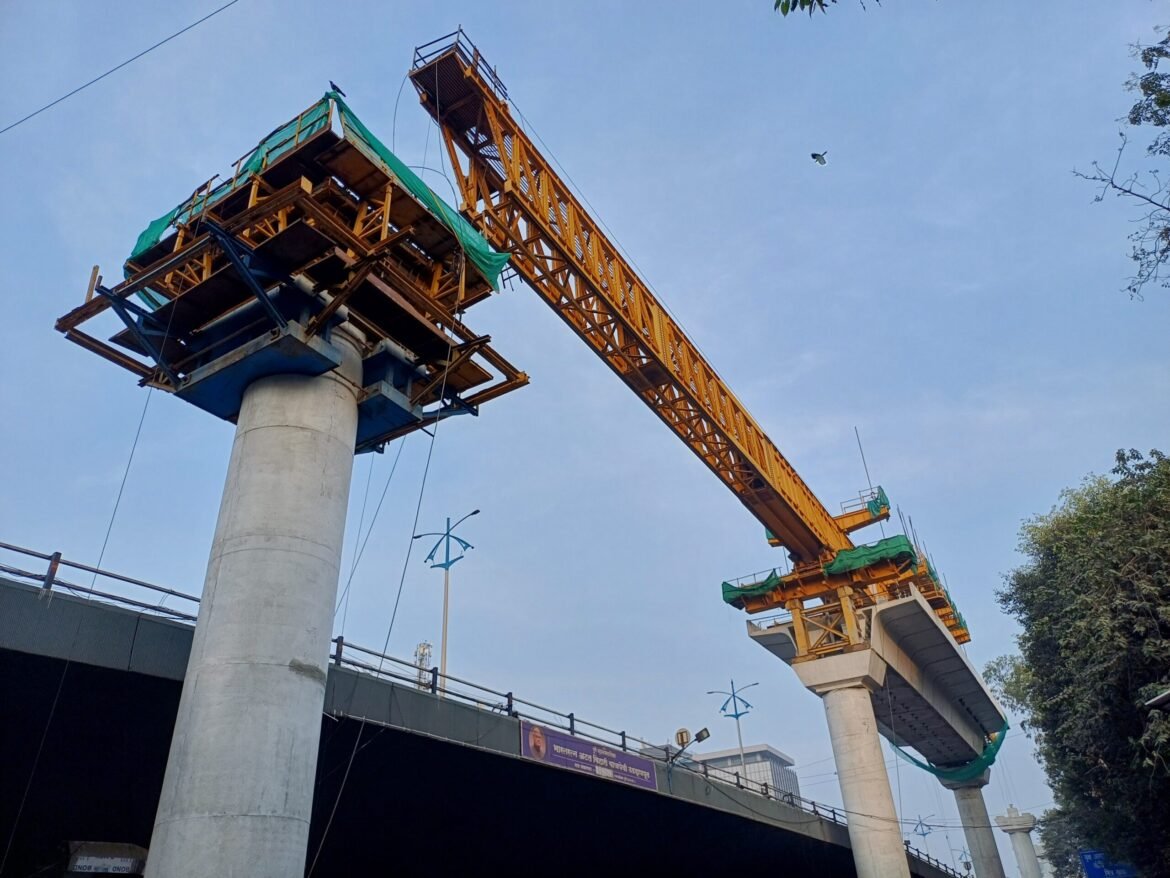
Pune Metro Line 3 is a significant development in urban transport, linking Shivajinagar and Hinjawadi. This project aims to improve connectivity and reduce traffic congestion in the city.
Overview of Pune Metro Line 3
Pune Metro Line 3, inaugurated by Prime Minister Modi, is poised to transform the public transportation landscape in Pune. This line connects two important areas: Shivajinagar and Hinjawadi, significantly reducing travel time for commuters.
The metro line spans approximately 23 kilometers and features 23 stations along its route. It aims to ease traffic congestion, especially for those traveling to and from the bustling IT hub of Hinjawadi. The Pune Metro Line 3 is expected to carry around 3 lakh passengers daily, promoting a shift towards more sustainable transportation options.
Key features of the Pune Metro Line 3 include:
- Elevated and underground sections: The line comprises both elevated tracks and underground stations, ensuring minimal disruption to existing urban infrastructure.
- Modern technology: Equipped with advanced signaling systems and energy-efficient trains, this metro line aims to provide a safe and reliable transit experience.
- Integration with other transport modes: Plans are in place for seamless connectivity with buses and other local transport systems.
As Pune continues to grow, the introduction of the Pune Metro Line 3 could indeed prove to be a vital transit solution for its residents.
Benefits of the New Metro Line
The inauguration of the Pune Metro Line 3 by PM Modi marks a significant advancement in the city’s public transportation system. This new metro line, which connects Shivajinagar and Hinjawadi, brings with it numerous benefits that are expected to transform the daily commute for thousands of residents.
One of the most notable advantages of the Pune Metro Line 3 is its potential to reduce traffic congestion. With a dedicated line, commuters can travel quickly and efficiently, alleviating pressure on the city’s roads and minimizing travel time.
Additionally, the metro line promotes environmental sustainability. By encouraging the use of public transport, it aims to decrease the carbon footprint associated with personal vehicles. The shift to a more sustainable mode of transport aligns with global efforts to combat climate change.
Moreover, the new metro line is designed to enhance connectivity between key business districts and educational institutions, fostering economic growth and accessibility. It is expected to attract investments and stimulate development along its route.
In summary, the Pune Metro Line 3 not only offers a modern transit solution but also presents a forward-looking approach to urban mobility in Pune, making it a promising option for commuters.
Impact on Traffic Congestion
The inauguration of the Pune Metro Line 3 has raised hopes for alleviating traffic congestion in the bustling city. With its strategic route connecting Shivajinagar and Hinjawadi, this new metro line is expected to significantly reduce the number of vehicles on the roads.
Many commuters currently rely on personal vehicles or overcrowded public transport options, contributing to the persistent traffic woes. The introduction of Pune Metro Line 3 aims to provide a reliable and efficient alternative, encouraging more residents to opt for public transit.
Some anticipated impacts on traffic congestion include:
- Reduction in Travel Time: The metro’s speed and frequency are expected to cut down the time spent commuting, making it a more attractive option.
- Decreased Vehicle Emissions: With fewer cars on the road, there is potential for lower pollution levels, contributing to a healthier urban environment.
- Enhanced Connectivity: By linking key employment hubs, the metro line will facilitate smoother transitions between different modes of transport.
As Pune embraces this new transit solution, the true test will be its ability to address the growing traffic challenges and improve the quality of life for its residents.
Future Plans for Pune Metro
The future plans for Pune Metro include significant expansions and enhancements aimed at improving urban mobility across the city. With the inauguration of Pune Metro Line 3, which links Shivajinagar and Hinjawadi, the focus is on further extending the network to cover more key areas.
City planners have proposed additional lines that will integrate seamlessly with Pune Metro Line 3. These plans include:
- Line 4: Connecting Hinjawadi to Kharadi, which is expected to ease access to major IT hubs.
- Line 5: A route from Garware College to Shivaji Nagar, providing greater connectivity to educational institutions.
- Extensions: Potential extensions of existing lines to nearby suburban areas, encouraging public transport usage.
Moreover, the integration of Pune Metro with other modes of transport, such as buses and auto-rickshaws, is being considered to create a comprehensive transit solution. These initiatives are geared towards making the Pune Metro Line 3 a pivotal part of the city’s transportation landscape. As these plans unfold, the hope is to enhance the overall efficiency and convenience of commuting in Pune, ensuring a bright future for the city’s metro system.
Public Reaction to the Inauguration
The inauguration of the Pune Metro Line 3 has elicited a range of reactions from the public, reflecting both enthusiasm and skepticism. Many residents view the new metro line as a significant step towards modernizing Pune’s public transport system.
- Support for Improved Mobility: Commuters appreciate the potential for reduced travel times between Shivajinagar and Hinjawadi, two bustling areas in Pune. The accessibility that Pune Metro Line 3 offers is seen as a boon for daily commuters.
- Concerns Over Implementation: Some citizens have expressed worries regarding the operational efficiency of the metro. They hope that the infrastructure will be well-maintained and that the services will run on time.
- Environmental Considerations: Environmental activists have generally welcomed the metro line, highlighting its role in reducing vehicular pollution and promoting sustainable urban transport.
- Calls for Expansion: While many celebrate this new addition, there are voices urging the government to expand the metro network further to cover more areas in Pune, ensuring that the benefits of the Pune Metro Line 3 are felt citywide.
Overall, the public response reflects a mix of optimism and cautious hope for the future of Pune’s transportation landscape.
Key Features of Line 3
The Pune Metro Line 3 is designed to revolutionize public transportation in the city by offering several key features that set it apart from traditional transit systems.
- High Capacity: The metro line boasts a significant passenger capacity, accommodating thousands of commuters daily, thus reducing the burden on existing road networks.
- Speed and Efficiency: With trains expected to run at intervals of just a few minutes, the Pune Metro Line 3 promises to cut down travel times considerably, making it a reliable option for daily commuters.
- Environmentally Friendly: As a green mode of transport, the metro line will help decrease air pollution and reliance on fossil fuels, promoting a sustainable urban landscape.
- Integrated Connectivity: The line connects key areas such as Shivajinagar and Hinjawadi, facilitating seamless transfers to other public transport systems, which enhances overall accessibility.
- Modern Infrastructure: Equipped with state-of-the-art technology, the metro stations and trains will provide a comfortable and safe travel experience for passengers.
These features collectively position the Pune Metro Line 3 as a forward-thinking transit solution that addresses the growing demands of the city’s population.
Government’s Role in Metro Projects
The role of the government in the development and implementation of metro projects, such as the Pune Metro Line 3, is crucial for ensuring the success and sustainability of urban transit systems. Significant investments and strategic planning are required to create efficient public transportation networks that serve the growing population of cities like Pune.
The government is responsible for:
- Funding: Allocating financial resources to support the construction and operation of metro lines.
- Regulatory Framework: Establishing policies and regulations that facilitate safe and efficient metro operations.
- Land Acquisition: Managing land acquisition processes to ensure that projects proceed without unnecessary delays.
- Public Engagement: Involving citizens in the planning process to address their concerns and preferences.
- Partnerships: Collaborating with private sectors and international organizations for technology transfer and expertise.
Moreover, the government’s commitment to environmental sustainability and urban development is reflected in initiatives like the Pune Metro Line 3. This line not only promises to improve connectivity but also aims to reduce the carbon footprint of the city, aligning with global efforts toward greener urban living.
Comparing Pune Metro with Other Cities
As cities across India invest in metro systems to enhance urban mobility, comparing the Pune Metro Line 3 with metro projects in other cities becomes essential. Each city has unique challenges and requirements, shaping the design and implementation of their transit systems.
In Mumbai, the existing metro lines have significantly reduced travel times for commuters. The city’s focus on integrating metro services with local trains has made it a model for connectivity. Meanwhile, Delhi’s extensive metro network stands out for its vast reach, boasting over 300 kilometers, effectively connecting various parts of the city and its suburbs.
Chennai’s metro system, though smaller, emphasizes a modern approach with features like automated ticketing. It highlights the importance of user-friendly interfaces to attract passengers. In contrast, Bangalore’s metro is still in development phases, facing hurdles such as land acquisition and funding issues, which have delayed expansion.
While each city has its strengths, the Pune Metro Line 3 aims to address the city’s specific needs by connecting key business districts, thereby promoting economic growth. Ultimately, the success of these metro systems will depend on their ability to integrate seamlessly into the urban fabric and meet the demands of the growing population.
By DesiBoy101 via Openverse