
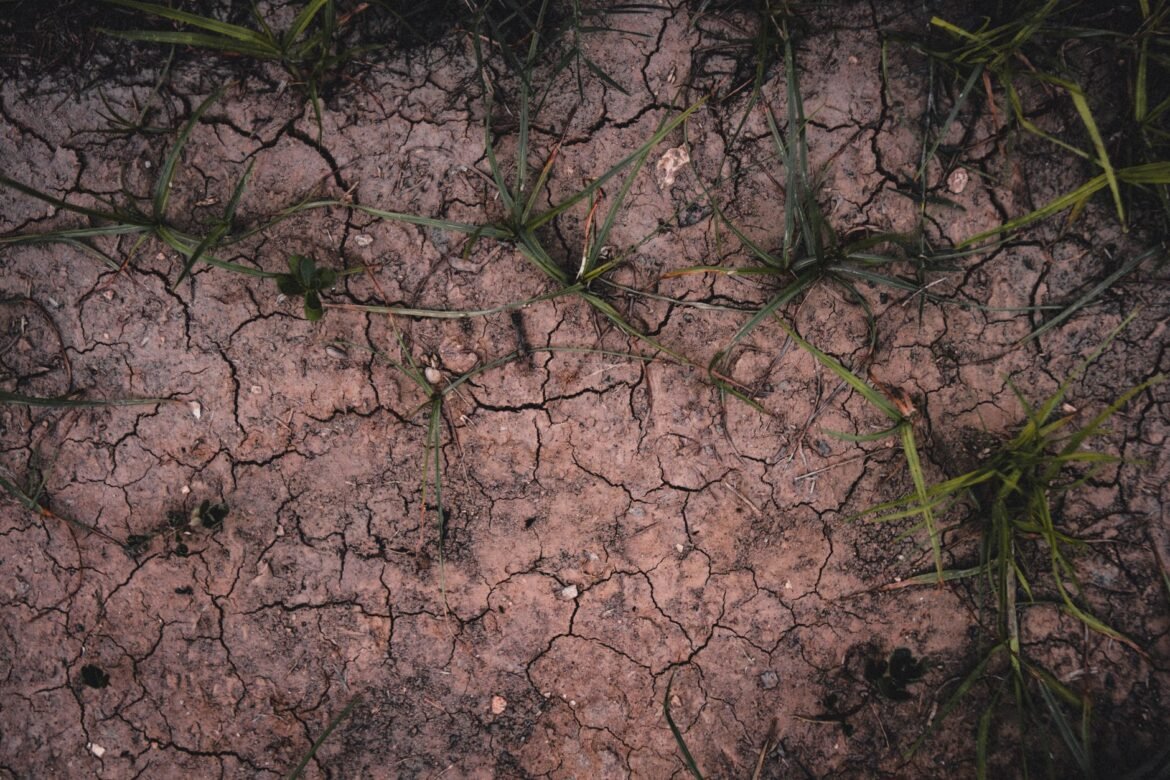
water shortage effects are causing significant price hikes in vegetables, with reports indicating a rise of 10-15%. This situation is alarming for both farmers and consumers.
Understanding the Water Shortage
The ongoing water shortage has profound effects on agricultural production, particularly in regions heavily reliant on irrigation for vegetable farming. With a decrease in available water, farmers face significant challenges that directly impact their crop yields and, consequently, vegetable prices.
As water becomes scarcer, the following effects are commonly observed:
- Reduced Crop Yields: Insufficient water supply leads to stunted growth and lower production rates, ultimately resulting in fewer vegetables available for market.
- Increased Production Costs: Farmers may need to invest in alternative water sources or technologies, which raises their operational costs and translates to higher prices for consumers.
- Market Instability: Fluctuations in vegetable availability can cause unpredictable price hikes, affecting both consumers and retailers.
- Long-term Soil Degradation: Chronic water shortages can lead to soil health deterioration, impacting future agricultural productivity.
Understanding these water shortage effects is crucial for policymakers and consumers alike, as they navigate the complexities of food pricing and sustainability.
Current Vegetable Price Trends
The recent water shortage effects have significantly impacted the agricultural sector, particularly in vegetable pricing. Current trends indicate a sharp rise in prices, attributed to the diminishing water supply that farmers rely on for irrigation.
As a result, many consumers are noticing the following trends:
- Increased Cost: Vegetable prices have surged by 10-15% in various markets, reflecting the immediate consequences of reduced crop yields.
- Supply Shortages: Certain vegetables are becoming harder to find, leading to inflated prices for commonly used staples.
- Quality Variations: With the ongoing water issues, the quality of available vegetables may decline, further affecting consumer choices.
Experts warn that if the water shortage persists, the ripple effects could lead to even higher prices in the coming months. Consumers may need to adjust their purchasing habits as the economic strain of the water crisis continues to unfold, highlighting the long-term implications of water shortage effects on food affordability.
Impact on Farmers and Consumers
The ongoing water shortage is having a profound impact on both farmers and consumers, leading to significant economic repercussions. As water becomes increasingly scarce, farmers are faced with the challenge of maintaining crop yields, particularly for vegetables, which are highly dependent on adequate irrigation.
Many farmers have reported a 10-15% increase in vegetable prices, a direct result of decreased supply caused by the water crisis. This situation has forced some farmers to reduce their planted acreage, further exacerbating the shortage of fresh produce in the market. The escalating prices are not just a burden for farmers; they also affect consumers who are now paying higher costs at supermarkets and local markets.
Additionally, the water shortage effects ripple through the entire supply chain, impacting food security and increasing the cost of living for households. As consumers grapple with rising prices, the worry is that these trends may continue if the water scarcity situation does not improve. The agricultural sector faces a critical crossroads, and immediate action is necessary to mitigate these challenges.
Long-term Consequences of Water Shortage
The long-term consequences of water shortage are becoming increasingly evident, particularly in the agricultural sector. As farmers struggle to maintain crop yields due to insufficient water supply, the ripple effects are felt throughout the economy.
One significant impact is the escalation of vegetable prices, which have surged by 10-15% as a direct result of reduced harvests. This increase not only affects consumers who rely on these staple foods but also poses challenges for food security in various communities.
In addition to higher prices, the long-term effects of water shortage include:
- Decreased Agricultural Productivity: Continuous water scarcity can lead to lower crop outputs, affecting overall food supply.
- Soil Degradation: Insufficient irrigation can result in poor soil health, further exacerbating the problem.
- Increased Competition: As water becomes scarcer, competition among farmers for resources intensifies, often leading to conflicts.
- Economic Strain: Rising prices may lead to reduced purchasing power for consumers, impacting their ability to afford essential goods.
These consequences highlight the urgent need for sustainable water management practices to mitigate the effects of water shortage.
Government Response to Agricultural Crisis
The ongoing water shortage has prompted the government to take significant measures in response to the agricultural crisis impacting farmers and consumers alike. With vegetable prices surging by 10-15%, officials are currently exploring various strategies to alleviate the burden on farmers while ensuring food stability for consumers.
Key initiatives being discussed include:
- Financial Assistance: Providing subsidies and low-interest loans to farmers struggling with crop yields due to water scarcity.
- Water Management Programs: Implementing efficient irrigation techniques and promoting water conservation practices to maximize existing resources.
- Research and Development: Funding agricultural research to develop drought-resistant crop varieties that can thrive in arid conditions.
Additionally, the government is urging farmers to adopt sustainable practices that can mitigate the effects of water shortages. As the situation evolves, it remains crucial to monitor the effectiveness of these responses and their potential to stabilize vegetable prices amid an ongoing agricultural crisis.
Future Outlook for Vegetable Prices
The ongoing water shortage effects are expected to lead to a volatile future for vegetable prices. As farmers continue to grapple with reduced crop yields, the potential for further price increases looms large.
Experts predict that if water scarcity persists, consumers may face:
- Higher Costs: Prices could rise an additional 10-15% in the coming months, straining household budgets.
- Limited Availability: Certain vegetables might become harder to find in markets, leading to regional shortages.
- Quality Decline: With less water, the quality of produce may suffer, affecting flavor and nutritional value.
Moreover, the long-term impact of water shortages on vegetable production could reshape the agricultural landscape. Farmers may need to adapt by investing in more efficient irrigation systems or shifting to drought-resistant crops. These adjustments, while necessary, may not provide immediate relief.
As consumers brace for these changes, awareness of the water shortage effects on agriculture will be crucial in understanding the evolving market dynamics.
The water shortage effects have led to a significant increase in the cost of vegetable production, pushing prices to an all-time high. As farmers struggle to cope with these water shortage effects, consumers are feeling the strain at the grocery store.
Photo by Valerie Sidorova on Pexels