
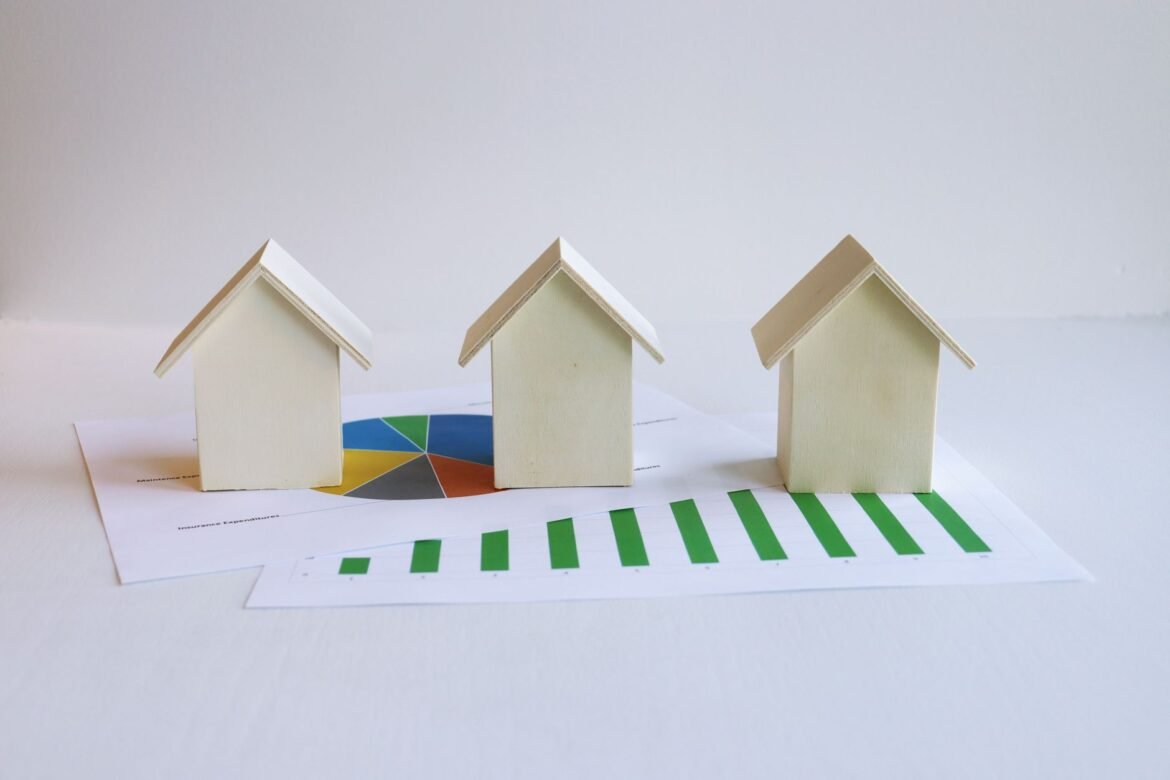
Australian property prices are expected to recover in 2027, but the next upswing will look very different from previous cycles. Understanding these changes is crucial for investors and homeowners alike.
Current State of Australian Property Prices
As of late 2023, Australian property prices are experiencing a period of fluctuation due to various economic factors. The landscape has been heavily influenced by interest rate changes, inflationary pressures, and shifts in consumer sentiment. While some regions have seen a decline in property values, others are holding steady or even appreciating.
Experts predict that a recovery in Australian property prices is on the horizon, with estimates suggesting a significant upswing by 2027. However, this recovery is expected to be markedly different from previous trends. Key factors contributing to this potential rebound include:
- Increased demand: A growing population and ongoing urbanization are likely to sustain demand for housing.
- Government policies: Initiatives aimed at stimulating the housing market may provide a boost to property prices.
- Supply constraints: Limited availability of new housing developments could lead to price increases in desirable areas.
- Changing buyer preferences: A shift towards more sustainable and eco-friendly housing options may alter market dynamics.
Despite the challenges faced in the current market, the long-term outlook remains cautiously optimistic. Investors and homeowners alike are advised to stay informed about market trends and be prepared for a slow but steady recovery in Australian property prices over the coming years.
Factors Influencing Future Prices
Several key factors are expected to influence the future trajectory of Australian property prices in the coming years. Understanding these elements can provide valuable insights into market dynamics and potential recovery strategies.
- Interest Rates: Fluctuations in interest rates play a significant role in determining property affordability. As rates rise or fall, they directly impact buyers’ purchasing power, which can lead to shifts in demand.
- Supply Constraints: A limited supply of housing due to zoning laws and construction delays can create upward pressure on prices. Areas with strict regulations may see property prices increase more rapidly than those with more lenient policies.
- Economic Growth: The overall health of the economy, including employment rates and wage growth, will influence consumer confidence and spending power. A robust economy typically leads to increased demand in the property market.
- Demographic Trends: Changes in population size and composition, such as migration patterns and household formation rates, can significantly impact demand for housing, thereby affecting property prices.
- Government Policies: Initiatives such as first-home buyer grants and investment incentives can stimulate demand, influencing future price trends.
As these factors interplay, they will shape the landscape of Australian property prices and guide potential recovery strategies for investors and homeowners alike.
Expert Predictions for 2027
As experts look ahead to 2027, predictions for Australian property prices suggest a nuanced recovery driven by various economic factors. Analysts emphasize that while a rebound is expected, it will not mirror past cycles. Key insights from industry leaders highlight the following:
- Increased Affordability: With ongoing adjustments in interest rates, the affordability of homes is projected to improve, making it more accessible for first-time buyers.
- Shift in Demand: Urban migration trends may shift as remote work continues to influence where people choose to live, potentially increasing demand in suburban and regional areas.
- Sustainable Development: A growing emphasis on sustainability may drive property values in areas that prioritize eco-friendly practices and infrastructure.
- Government Policies: Future government initiatives aimed at supporting home ownership could play a critical role in stabilizing and boosting the property market.
Experts caution, however, that the recovery will be gradual. Australian property prices are likely to rise steadily, rather than experience the rapid increases seen in previous years. As the market adapts to these new dynamics, stakeholders are urged to remain informed and prepared for a different landscape in the property sector by 2027.
Challenges Ahead for Homebuyers
As the Australian property market shows signs of recovery, homebuyers face a series of challenges that may complicate their journey to homeownership. Despite the projected rebound in property prices, the landscape is shifting, and potential buyers must navigate these changes carefully.
One significant challenge is the rising cost of living, which has put pressure on household budgets. Many buyers find it increasingly difficult to save for a deposit while managing everyday expenses. Additionally, interest rates have seen fluctuations, impacting borrowing power and monthly repayments. This uncertainty can deter first-time buyers from entering the market.
Furthermore, competition among buyers is expected to intensify as confidence returns to the market. This uptick in demand could lead to bidding wars, ultimately driving property prices higher. Homebuyers will need to be prepared to act quickly when they find a suitable property, as the window of opportunity may close rapidly.
Another factor to consider is the changing landscape of property types. With remote work becoming more common, there is a growing interest in regional properties, which may lead to shifts in demand and pricing dynamics. Buyers should stay informed about these trends to make educated decisions.
In summary, while the recovery of Australian property prices offers hope, homebuyers must be wary of the challenges that lie ahead and strategize accordingly.
Investment Opportunities in Real Estate
The recovery of Australian property prices presents numerous investment opportunities for both seasoned investors and first-time buyers. As the market begins to show signs of rejuvenation, understanding where to invest is essential.
One viable area for investment is in emerging suburbs. Many analysts believe that properties in these regions are undervalued and poised for growth as developments and infrastructure improve. Investing in these areas can yield significant returns as demand increases over time.
Another opportunity lies in the rental market. With ongoing challenges for homebuyers, many are opting to rent rather than buy, creating a growing demand for rental properties. This shift means that investors can benefit from stable rental incomes while waiting for property prices to rebound fully.
Additionally, diversifying investments to include commercial real estate can be advantageous. As businesses adapt to new market dynamics, there may be potential in acquiring commercial properties that cater to evolving needs, such as flexible workspaces or retail spaces in strategic locations.
Investors should also consider the importance of sustainable and energy-efficient properties. With increasing awareness of environmental issues, properties that meet these standards are likely to attract more buyers and renters, further enhancing their value.
In conclusion, the landscape of Australian property prices is changing, and those who can identify and act on these investment opportunities may find themselves well-positioned for success in the coming years.
Comparative Analysis with Previous Cycles
The recovery of Australian property prices can be understood better through a comparative analysis with previous market cycles. Historically, property markets have undergone periods of boom and correction, each influenced by unique economic and social factors. In the early 2000s, for instance, a surge in property prices fueled by low interest rates and strong demand led to significant increases in home values. However, this was followed by a market correction that revealed vulnerabilities in the lending practices of financial institutions.
Fast forward to recent years, and the Australian property market has demonstrated resilience amidst challenges such as the COVID-19 pandemic and rising interest rates. Unlike previous cycles, this current recovery plan is characterized by a cautious approach from both buyers and lenders. Key differences observed include:
- Stricter lending criteria: Financial institutions have tightened their lending standards, which may prevent another housing bubble from forming.
- Shift towards urban migration: A notable trend is the shift of buyers from urban to regional areas, impacting property prices variably.
- Increased focus on sustainability: There is a growing demand for eco-friendly homes, which could reshape the market dynamics.
As experts predict a recovery in Australian property prices by 2027, understanding these historical contexts and current market behaviors will be crucial for potential homebuyers and investors alike.
Long-term Trends to Watch
As the Australian property market begins to show signs of recovery, it is essential to consider the long-term trends that may shape its trajectory over the coming years. Several factors contribute to the evolving landscape of Australian property prices, making it crucial for buyers and investors to stay informed.
One significant trend is the shift towards urbanization, with more people moving to major cities for work and lifestyle opportunities. This influx can drive demand for housing, particularly in metropolitan areas. However, regional towns are also gaining popularity, as remote work becomes more common and individuals seek affordable alternatives to city living.
Additionally, interest rates will continue to play a pivotal role. Fluctuations in rates can significantly impact borrowing costs, affecting both buyer sentiment and property affordability. The Reserve Bank of Australia’s monetary policy will be closely monitored by potential homebuyers and investors alike.
Another essential trend is the increasing importance of sustainability in property development. As environmental concerns grow, properties that incorporate eco-friendly features may become more desirable, influencing Australian property prices.
Overall, understanding these long-term trends will be vital for anyone looking to navigate the complexities of the Australian property market effectively.
Photo by Artful Homes on Pexels