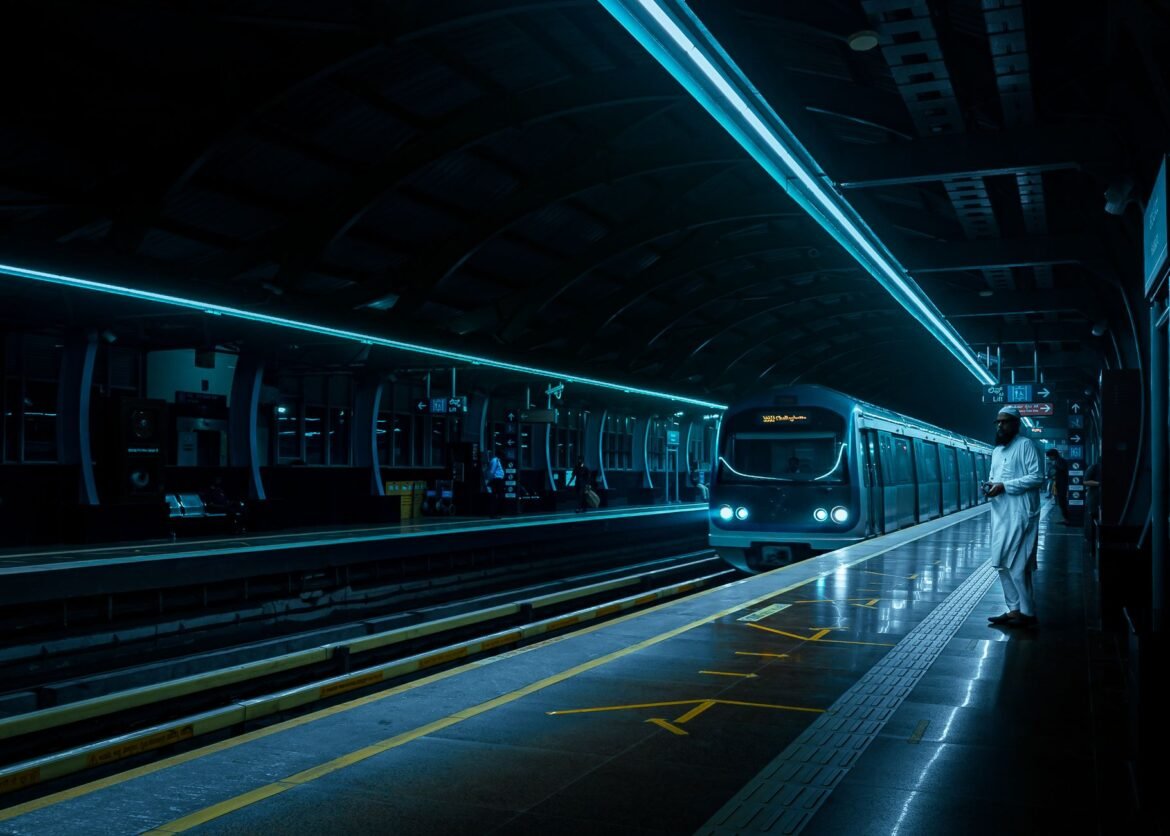
Bengaluru Metro expansion has officially made the city home to India’s second-largest Metro network with the recent opening of the Pink Line.
Overview of Bengaluru Metro expansion
The recent expansion of the Bengaluru Metro marks a significant milestone in the city’s transportation infrastructure. With the inauguration of the Pink Line, the metro network has now grown to over 100 kilometers, solidifying Bengaluru’s position as home to India’s second-largest Metro network. This expansion not only enhances connectivity but also aims to ease traffic congestion, which has been a persistent issue in the bustling city.
Among the key features of the Bengaluru Metro expansion are:
- Increased Accessibility: New stations have been introduced in areas such as IIMB, JP Nagar, and Tavarekere, facilitating easier access for residents and commuters.
- Environmental Benefits: By promoting public transportation, the expansion is expected to reduce the carbon footprint of the city.
- Economic Growth: Improved metro connectivity is likely to boost local businesses and attract investments in the region.
As the Bengaluru Metro expansion continues, it promises to transform urban mobility and enhance the quality of life for its residents.
Impact of the Pink Line on commuters
The recent inauguration of the Pink Line has significantly transformed the commuting landscape in Bengaluru. With the expansion of the Bengaluru Metro, this new line connects vital areas such as IIMB, JP Nagar, and Tavarekere, providing residents with a reliable and efficient mode of transport.
The impact on commuters has been profound, as the Pink Line reduces travel time and eases congestion on the roads. Many passengers have reported that their daily commutes have become more manageable, allowing them to spend less time in traffic and more time on productive activities.
Benefits of the Pink Line include:
- Increased Accessibility: The new stations offer easier access to educational institutions, business hubs, and residential areas.
- Environmental Advantages: With more people opting for the metro, there is a potential decrease in air pollution and traffic congestion.
- Economic Growth: Enhanced connectivity can lead to increased business opportunities in previously underserved areas.
Overall, the Pink Line is a key component of the Bengaluru Metro expansion, promoting a sustainable and efficient transport network for all.
Bengaluru Metro expansion and urban development
The recent expansion of the Bengaluru Metro has significant implications for urban development in the city. As the Metro network continues to grow, it enhances connectivity and promotes sustainable transportation options for residents and commuters alike.
One of the key aspects of the Bengaluru Metro expansion is its ability to alleviate traffic congestion, a persistent issue in the rapidly urbanizing city. With the addition of new lines, such as the Pink Line, the Metro provides an efficient alternative to road travel, encouraging more people to opt for public transport.
Furthermore, the expansion is expected to stimulate economic growth in various sectors, including real estate and local businesses. Enhanced accessibility to different parts of the city allows for greater investment opportunities and improved quality of life for residents.
In summary, the Bengaluru Metro expansion not only transforms the commuting experience but also plays a crucial role in shaping the urban landscape. As the network grows, it demonstrates the city’s commitment to sustainable urban development and efficient public transport solutions.
New names for IIMB, JP Nagar & Tavarekere
The recent expansion of the Bengaluru Metro has brought significant changes, including the renaming of several key stations to better reflect their surroundings and enhance the commuter experience. Among the notable new names are:
- IIMB – This station, serving the Indian Institute of Management Bangalore, has been renamed to highlight its proximity to this prestigious educational institution.
- JP Nagar – The station formerly known as JP Nagar will now showcase the area’s identity, making it easier for both residents and visitors to navigate the network.
- Tavarekere – This station’s new name aims to honor the local heritage and culture, providing a sense of place for commuters.
The renaming of these stations is part of the broader Bengaluru Metro expansion strategy, which seeks to improve connectivity and accessibility across the city. As the metro network grows, it continues to support urban development and transform the daily commute for millions of residents.
Photo by vasuchandran mv on Pexels