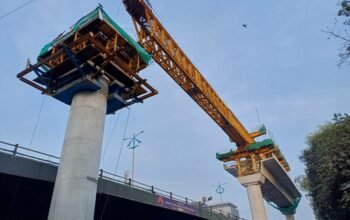

High-Capacity Power Corridor is a significant development in India’s infrastructure, approved with a substantial investment of $7.34 billion to enhance energy distribution.
Overview of the High-Capacity Power Corridor
The High-Capacity Power Corridor is a transformative initiative aimed at enhancing India’s energy infrastructure. This project, approved with an investment of $7.34 billion, seeks to improve the transmission of electricity across vast distances, ensuring that energy reaches remote and underserved areas. The corridor will facilitate better connectivity between power generation sources and consumption centers, thereby increasing the overall efficiency of the energy sector.
One of the key features of the High-Capacity Power Corridor is its ability to support renewable energy integration. As India pushes for a greener future, this corridor will enable the seamless transfer of solar and wind energy generated in remote locations to urban centers where demand is highest. This initiative aligns with the country’s commitment to achieving ambitious renewable energy targets.
In addition to enhancing energy access, the corridor is expected to create numerous job opportunities and stimulate economic growth. Local communities will benefit from improved infrastructure and increased investments in related sectors. Furthermore, the High-Capacity Power Corridor will contribute to energy security, reducing dependence on fossil fuels and mitigating the impact of climate change.
Overall, the High-Capacity Power Corridor represents a significant step forward in India’s journey towards a sustainable and resilient energy future.
Impact on India’s Energy Sector
The approval of the $7.34 billion High-Capacity Power Corridor marks a significant milestone in India’s energy sector, promising to enhance the country’s power transmission capabilities. This ambitious project is expected to address several critical challenges currently facing the energy landscape.
One of the primary impacts of the High-Capacity Power Corridor is the improved reliability of electricity supply across various regions. By enabling the movement of electricity over long distances with minimal loss, the corridor will facilitate a more stable grid, reducing outages that have plagued many areas.
Additionally, the corridor is projected to support the integration of renewable energy sources into the grid. With India’s commitment to increasing its renewable energy capacity, this project will play a crucial role in ensuring that clean energy can be efficiently transmitted from production sites to consumption areas.
Furthermore, the High-Capacity Power Corridor is anticipated to stimulate economic growth by attracting investment in infrastructure and creating job opportunities in the energy sector. As the project progresses, it will also encourage the development of ancillary services and technologies, fostering innovation.
In summary, the High-Capacity Power Corridor represents a forward-looking approach to modernize India’s energy infrastructure, ensuring a sustainable and resilient power supply for the future.
Investment Details and Funding
The Government of India has announced a substantial investment of $7.34 billion for the development of the High-Capacity Power Corridor, a project aimed at enhancing the nation’s energy infrastructure. This funding is part of a larger initiative to modernize and expand the transmission network, ensuring reliable and efficient electricity distribution across the country.
Key funding sources for this project include:
- Domestic Investments: Significant contributions from public sector units are expected to play a crucial role in financing the corridor.
- International Partnerships: Collaboration with foreign investors, including development banks, will be sought to secure additional capital.
- Government Grants: The Indian government has allocated a portion of its budget to support the High-Capacity Power Corridor, reflecting its commitment to sustainable energy solutions.
By securing these funds, the project is poised to not only improve the efficiency of energy transmission but also create numerous job opportunities during the construction phase. The High-Capacity Power Corridor is expected to be a game-changer for India’s energy landscape, promoting economic growth and stability.
In summary, the strategic investment and diverse funding sources for this project highlight its significance in advancing India’s energy goals and infrastructure resilience.
Key Players Involved in the Project
The development of the High-Capacity Power Corridor has seen significant involvement from various key players, each contributing to the project’s success and implementation. This initiative, aimed at enhancing India’s energy infrastructure, has attracted attention from both governmental and private sectors.
- Government of India: The central government plays a crucial role in approving and facilitating the project, ensuring it aligns with national energy policies and sustainability goals.
- State Governments: Local authorities in the states along the corridor are integral for land acquisition and regulatory approvals, helping to streamline the development process.
- Power Transmission Companies: Leading power transmission firms are tasked with the construction and maintenance of the high-capacity lines, ensuring the efficient flow of electricity across vast distances.
- Investors and Financial Institutions: Various banks and financial entities are providing the necessary funding, showcasing their confidence in the project’s long-term benefits and viability.
- Consultants and Engineering Firms: Experts in energy infrastructure are involved in planning and execution, bringing innovative solutions to potential challenges that may arise during construction.
These collaborations are essential for realizing the full potential of the High-Capacity Power Corridor, ultimately leading to improved energy accessibility and reliability for millions across India.
Expected Timeline for Completion
The expected timeline for the completion of the High-Capacity Power Corridor is crucial for understanding its potential impact on India’s energy landscape. The project, which has received significant governmental backing, is anticipated to unfold in several key phases, each designed to ensure a smooth transition towards operational status.
Initially, the project is set to enter the construction phase in early 2024. This phase will involve extensive groundwork, including the establishment of necessary infrastructure and the integration of advanced technology to facilitate efficient power transmission. Stakeholders have indicated that this stage will take approximately two years, with completion targeted for the end of 2025.
Following the construction phase, a testing and commissioning period will commence. This phase is vital to ensure that the High-Capacity Power Corridor operates at optimal efficiency and safety standards. It is expected to last around six months, aiming for full operational capability by mid-2026.
Moreover, continuous monitoring and evaluation will be conducted post-launch to assess the corridor’s performance and its ability to meet the growing energy demands of India. Overall, the successful implementation of this corridor is expected to significantly enhance energy distribution across the nation, marking a transformative step towards sustainable energy solutions.
Benefits for Local Communities
The implementation of the High-Capacity Power Corridor is set to bring numerous benefits to local communities across India. This ambitious project is designed not only to enhance energy distribution but also to foster economic growth and improve living standards in various regions.
One of the primary advantages of the High-Capacity Power Corridor is the creation of job opportunities. The construction and maintenance of the infrastructure will require a significant workforce, leading to both direct and indirect employment for local residents. This influx of jobs can help reduce unemployment rates and stimulate local economies.
Furthermore, the corridor is expected to improve access to electricity for underserved communities. With enhanced energy supply, households will enjoy a more reliable power source, which can facilitate better education, healthcare, and business opportunities. The availability of consistent electricity can empower local entrepreneurs, enabling them to operate businesses that contribute to community development.
In addition to economic benefits, the project aims to promote sustainable energy practices. By incorporating renewable energy sources into the High-Capacity Power Corridor, communities can benefit from cleaner energy solutions, ultimately improving air quality and public health.
In summary, the High-Capacity Power Corridor stands to significantly transform the socio-economic landscape of local communities, providing them with the tools necessary for growth and sustainability.
Challenges and Considerations
While the High-Capacity Power Corridor promises numerous benefits, several challenges and considerations must be addressed to ensure its successful implementation. One of the primary concerns is the environmental impact associated with the construction and operation of such a large-scale project.
Stakeholders need to conduct thorough environmental assessments to mitigate adverse effects on local ecosystems. Furthermore, community engagement is crucial, as local populations may have concerns regarding land use and potential displacement.
Another challenge is the integration of the new infrastructure with existing energy systems. Ensuring that the High-Capacity Power Corridor operates seamlessly alongside current networks will require substantial planning and collaboration among various energy providers.
Additionally, securing financing and managing costs will be vital for the project’s sustainability. With a budget of $7.34 billion, it’s essential that financial resources are allocated efficiently to avoid delays and cost overruns.
Lastly, regulatory hurdles may pose obstacles, as the project must comply with various national and state policies. Navigating this complex landscape will demand coordinated efforts among government agencies, private investors, and local communities.
Addressing these challenges proactively will be key to unlocking the full potential of the High-Capacity Power Corridor and ensuring its long-term success.
Photo by Giant Asparagus on Pexels
Sources
Related reading
Home Prices Rise: The Best Proven Strategies for Buyers · Zone Connect by The Park Mathura: Is It the Best Hotel Option? · Development projects Ahmedabad: Proven plans for growth