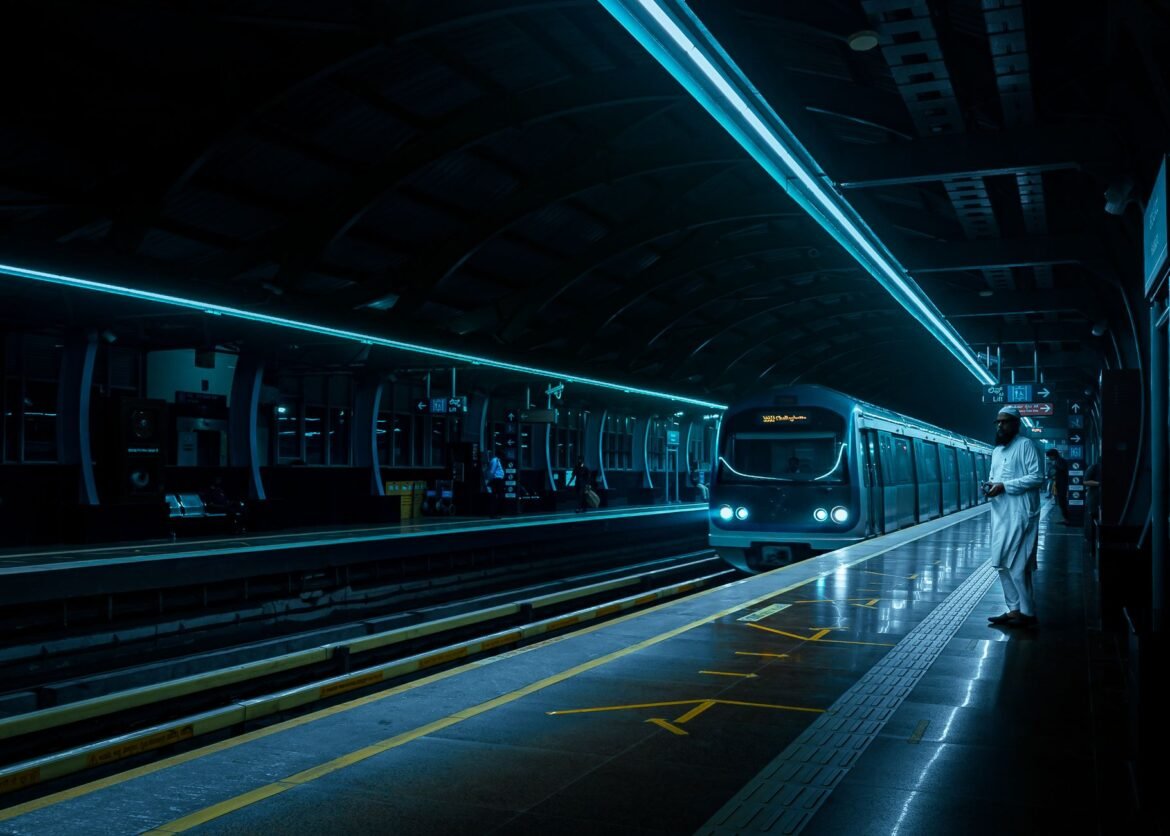
Bengaluru Namma Metro has reached 100 km, marking a significant milestone for the city’s infrastructure. The recent opening of the Pink Line highlights both achievements and challenges faced amid funding disputes.
Overview of Bengaluru Namma Metro
Bengaluru Namma Metro has achieved a significant milestone with the recent inauguration of the Pink Line, bringing the total metro network to 100 kilometers. This expansion marks a crucial step in enhancing the city’s public transportation system, which has been designed to alleviate traffic congestion and provide a reliable alternative for commuters. The development of the metro network is a testament to the city’s commitment to sustainable urban transport.
Despite the impressive growth, Bengaluru Namma Metro faces challenges related to funding disputes that have emerged amidst its expansion. These disputes have raised concerns regarding the timely completion of future phases of the metro project, which are essential for the overall connectivity of the city.
The Namma Metro project has been instrumental in transforming the commuting experience for residents, offering a safe and efficient mode of travel. Some of the key features of the metro system include:
- State-of-the-art trains designed for comfort and speed.
- Integration with other modes of transport, such as buses and taxis.
- Environmentally friendly operations that reduce carbon emissions.
As Bengaluru continues to grow, the expansion of Namma Metro remains a pivotal aspect of its urban planning strategy, aiming to meet the increasing demand for public transport services.
Impact of the Pink Line
The recent launch of the Pink Line has significantly impacted the Bengaluru Namma Metro, marking a milestone in the city’s public transportation system. This expansion not only enhances connectivity but also addresses the growing demand for efficient travel options in the bustling metropolis.
With the addition of the Pink Line, the total network length of Bengaluru Namma Metro has reached an impressive 100 kilometers. This achievement is crucial, especially considering the ongoing funding dispute that has raised concerns over future expansions and maintenance. The Pink Line, stretching from Nagawara to Central Silk Board, is expected to alleviate traffic congestion and reduce travel times for thousands of commuters daily.
The benefits of the Pink Line are numerous:
- Increased Accessibility: The Pink Line connects key areas of the city, making it easier for residents to access employment hubs, educational institutions, and healthcare facilities.
- Environmental Impact: By encouraging the use of metro over private vehicles, the Pink Line contributes to reducing carbon emissions and promoting sustainable urban mobility.
- Economic Growth: Enhanced public transport infrastructure often leads to increased property values and economic activities in surrounding areas.
As Bengaluru Namma Metro continues to evolve, the Pink Line stands as a testament to the city’s commitment to modernizing its transport landscape despite fiscal challenges.
Funding Disputes Explained
The expansion of Bengaluru Namma Metro has been marred by ongoing funding disputes that have raised concerns among stakeholders. These disputes primarily stem from disagreements over the financial contributions required from both the state and central governments. The key points surrounding these funding challenges include:
- State vs. Central Funding: The Karnataka government has argued that the central government must increase its share of funding for the project. Currently, the distribution is seen as disproportionate, with the state shouldering a significant portion of the costs.
- Delayed Disbursements: There have been delays in the disbursement of funds from the central government, which has hindered progress on ongoing and future phases of the metro network.
- Revenue Generation Concerns: With the operationalization of the Pink Line, the metro’s revenue generation potential has increased. However, stakeholders are concerned that funding disputes could jeopardize the financial stability of the entire project.
- Public Sentiment: Commuters and city planners alike have expressed frustration over the delays attributed to funding disagreements, emphasizing the need for a collaborative approach to ensure the growth and efficiency of Bengaluru Namma Metro.
Resolving these disputes is critical for the successful continuation and expansion of the metro system, which plays a vital role in alleviating traffic congestion in Bengaluru.
Future Plans for Expansion
The future of Bengaluru Namma Metro looks promising, with several expansion plans in the pipeline aimed at enhancing connectivity across the city. As the metro network continues to grow, the focus will be on integrating more areas into the system, reducing traffic congestion and promoting public transport.
Key future plans include:
- Extension of Existing Lines: The expansion of the Purple and Green Lines is set to connect more neighborhoods, facilitating easier access for commuters.
- New Lines: Proposed lines, including the Yellow Line and the Blue Line, are expected to cover underserved areas, bringing the metro service to a broader population.
- Enhanced Facilities: Plans for modern stations equipped with advanced technologies and amenities to improve the passenger experience are underway.
- Integration with Other Transport Modes: There is a focus on creating seamless connections with bus services and suburban rail, promoting a multi-modal transport system.
Despite the ongoing funding disputes, stakeholders remain optimistic about the future of Bengaluru Namma Metro. The government is actively seeking solutions to secure necessary investments, ensuring that these ambitious expansion plans come to fruition. As the network reaches significant milestones, the potential for transformative impact on urban mobility in Bengaluru is becoming increasingly evident.
Public Reaction to New Developments
The recent developments surrounding the Bengaluru Namma Metro have sparked a mixed reaction among the public. While many residents celebrate the expansion, particularly the completion of the Pink Line, others express concerns regarding ongoing funding disputes that could affect future growth.
The completion of the Pink Line, which extends the metro network to 100 kilometers, has enhanced connectivity and reduced travel time for thousands of commuters. Many users are thrilled with the benefits:
- Enhanced Accessibility: Commuters appreciate the ease of access to major city hubs.
- Reduced Traffic Congestion: Many residents have noted a decrease in road traffic, thanks to more people choosing the metro.
- Environmental Benefits: With reduced vehicular emissions, a cleaner city is a priority for many.
However, some citizens are apprehensive about the future of the Bengaluru Namma Metro. Concerns have been raised regarding the sustainability of the project amidst ongoing funding disputes between the state and central governments. “We need assurance that expansion plans will not be jeopardized,” said one local commuter.
As discussions continue, the public remains hopeful that the metro’s growth will not be stunted and that it will continue to serve as a vital asset for the city.
Comparative Analysis with Other Cities
The growth of Bengaluru Namma Metro can be closely examined by comparing it with metro systems in other major cities across India and globally. Many urban areas have implemented extensive metro networks to address rising traffic congestion and enhance public transportation efficiency.
In India, the Delhi Metro serves as a prominent example of a successful metro project. Since its inception in 2002, it has expanded to over 390 kilometers. This rapid growth has made it a benchmark for other cities, including Bengaluru. While Bengaluru Namma Metro has recently reached a significant milestone of 100 kilometers, it still lags behind Delhi in terms of coverage and ridership.
Globally, cities such as Tokyo and London have set the standard for metro systems. The Tokyo Metro, with over 300 kilometers, boasts high efficiency and punctuality, drawing millions of commuters daily. In comparison, Bengaluru Namma Metro’s ridership remains lower, partly due to ongoing funding disputes that have stalled further expansion.
Despite these challenges, the city’s efforts to improve its metro system reflect a commitment to sustainable urban transport. As Bengaluru continues to develop its Namma Metro, it must learn from both domestic and international counterparts to enhance service and integration within the growing urban landscape.
Photo by vasuchandran mv on Pexels