
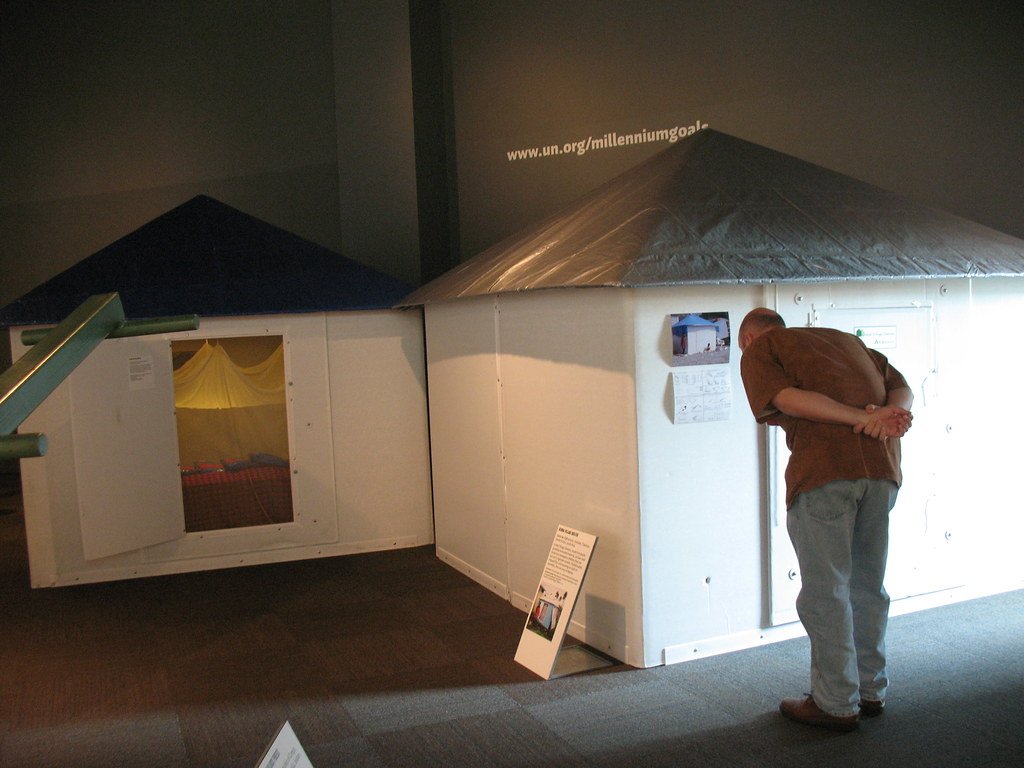
The affordable housing model is a new initiative launched by Homes4All to address the pressing need for affordable housing. This innovative approach focuses on regenerating unused properties to create sustainable living spaces.
Understanding the Affordable Housing Model
The affordable housing model has emerged as a pivotal solution in addressing the housing crisis faced by many communities. This innovative approach focuses on transforming unused or underutilized properties into livable spaces that meet the needs of low-income families and individuals.
One key aspect of this model is its emphasis on sustainability and community involvement. By engaging local residents in the planning and development process, stakeholders can ensure that the housing created not only serves immediate needs but also fosters long-term community growth.
Moreover, the affordable housing model prioritizes accessibility, making it easier for residents to secure quality housing without facing financial strain. This is achieved through various strategies, including:
- Public-private partnerships that leverage resources from both sectors
- Government incentives to encourage developers to include affordable units in their projects
- Innovative financing options that reduce upfront costs for prospective homeowners
As cities across the globe grapple with the challenge of housing shortages, models like these not only provide homes but also contribute to the regeneration of neighborhoods, enhancing the overall quality of life for residents.
Benefits of Regenerating Unused Properties
The regeneration of unused properties presents numerous benefits for communities and the housing market. By transforming these neglected spaces into livable environments, the affordable housing model serves as a catalyst for economic growth and social cohesion.
- Increased Housing Supply: Revitalizing unused properties directly contributes to the supply of affordable housing, addressing the pressing demand in many urban areas.
- Community Revitalization: The transformation of dilapidated structures into homes can invigorate neighborhoods, boosting local businesses and attracting new residents.
- Environmental Sustainability: Repurposing existing buildings reduces waste and minimizes the need for new construction, aligning with sustainable development goals.
- Job Creation: Renovation projects create job opportunities in construction and related sectors, providing employment for local residents.
- Enhanced Quality of Life: New affordable housing developments can improve local amenities and public services, leading to better living conditions for all residents.
As seen with initiatives like Homes4All, the integration of the affordable housing model into urban planning can significantly enhance community wellbeing while addressing housing shortages effectively.
Challenges in Affordable Housing Development
Despite the promising potential of the affordable housing model, various challenges hinder its widespread implementation. These obstacles can significantly impact the effectiveness of regeneration efforts aimed at transforming unused properties into livable spaces.
- Funding Limitations: Securing adequate financial resources remains a major hurdle, as many developers face challenges in obtaining investment due to perceived risks associated with affordable housing projects.
- Regulatory Hurdles: Navigating local zoning laws and regulations can be complicated, often leading to delays and increased costs. This complexity can deter developers from pursuing affordable housing initiatives.
- Community Resistance: Local communities may resist the introduction of affordable housing, fearing potential changes to neighborhood dynamics. This opposition can stall projects and complicate planning processes.
- Quality Concerns: There is often a perception that affordable housing compromises quality. Addressing this concern is crucial in ensuring that residents are provided with safe and durable living conditions.
By identifying and addressing these challenges, stakeholders can better leverage the affordable housing model as a solution for urban regeneration and community development.
Success Stories of Similar Initiatives
Across various cities, numerous initiatives have showcased the effectiveness of the affordable housing model in revitalizing communities. These success stories underline how innovative approaches to housing can foster social and economic growth.
- Project HomeKey: In California, this initiative transformed motels into permanent housing, providing homes for thousands of individuals experiencing homelessness. The project not only offered shelter but also integrated support services for residents, making it a leading example of an affordable housing model.
- Urban Renewal in Detroit: This program focuses on repurposing vacant properties into affordable housing units, revitalizing neighborhoods while addressing the housing crisis. By engaging local residents in the planning process, the initiative ensures that the new developments meet community needs.
- London’s Community Land Trusts: These trusts empower local communities to take control of land and develop affordable housing. By prioritizing long-term affordability, this model has successfully created sustainable living conditions for families in high-demand areas.
These examples demonstrate that an affordable housing model can not only provide essential living spaces but also rejuvenate communities, fostering a sense of belonging and stability among residents.
Future of Social Housing in Urban Areas
The future of social housing in urban areas is increasingly tied to innovative approaches that prioritize sustainability and community integration. As cities grapple with rising populations and housing shortages, the affordable housing model presents a viable solution for regeneration. This model emphasizes the transformation of unused or underutilized properties into livable spaces that cater to diverse income levels.
Urban planners and policymakers are recognizing the importance of inclusive housing strategies that not only provide shelter but also foster community ties. By adopting the affordable housing model, municipalities can revitalize neighborhoods while ensuring that new developments are accessible to lower-income families.
Key elements driving this transformation include:
- Collaboration: Partnerships between government entities, nonprofits, and private developers are essential for funding and expertise.
- Sustainability: Incorporating eco-friendly materials and energy-efficient technologies reduces long-term costs and environmental impact.
- Community Engagement: Involving local residents in the planning process ensures that developments meet their needs and reflect their aspirations.
As the push for affordable housing continues, it is evident that a comprehensive approach, centered on regeneration, will shape the future of urban living.
How Communities Can Get Involved
Communities play a vital role in the success of the affordable housing model, and there are several ways they can actively get involved. Engaging local residents, organizations, and stakeholders is essential to creating a supportive environment for these initiatives. Here are some key actions communities can take:
- Advocacy: Residents can advocate for policies that support affordable housing development, ensuring that local governments prioritize these initiatives.
- Partnerships: Forming partnerships with non-profits and developers can lead to collaborative efforts that enhance the effectiveness of the affordable housing model.
- Community Meetings: Organizing forums and meetings allows residents to voice their opinions, share ideas, and address concerns about housing projects in their area.
- Volunteering: Community members can volunteer with organizations involved in housing development, contributing time and skills to help realize affordable housing solutions.
- Education: Raising awareness about the benefits of affordable housing can mobilize support and open dialogue about its impact on the community.
By taking these steps, communities can significantly influence the success of affordable housing models, fostering regeneration and improving living conditions for all residents.
Government Support for Housing Projects
Government support plays a crucial role in the success of housing projects aimed at creating affordable housing models. By providing funding, incentives, and streamlined regulations, authorities can facilitate the regeneration of unused properties into viable living spaces. This support not only addresses the pressing need for affordable housing but also stimulates local economies.
Key areas where government assistance can make a significant impact include:
- Financial Incentives: Grants and low-interest loans can help developers offset initial costs, making projects more appealing and financially viable.
- Zoning Reforms: Adjustments to zoning laws can enable the conversion of underutilized properties into affordable housing, ensuring a more efficient use of available land.
- Partnerships with Nonprofits: Collaborating with nonprofit organizations can enhance project reach and effectiveness, leveraging community knowledge and resources.
- Streamlined Permitting Processes: Simplifying the approval process for housing developments can significantly reduce delays, allowing projects to move forward more quickly.
By prioritizing these forms of support, governments can help ensure that affordable housing models are not only developed but also sustainably maintained, fostering long-term community benefits.
By hoyasmeg via Openverse
References
You might also like
Hisense TV discount: Is it the best deal this festive season? · Property Prices Downturn: The Worst Proven Trends Revealed · Mumbai housing sales show clear growth in 2023